Do colors have a gender? Why can't a color just be a color?
Written by:
Teacher Ryan
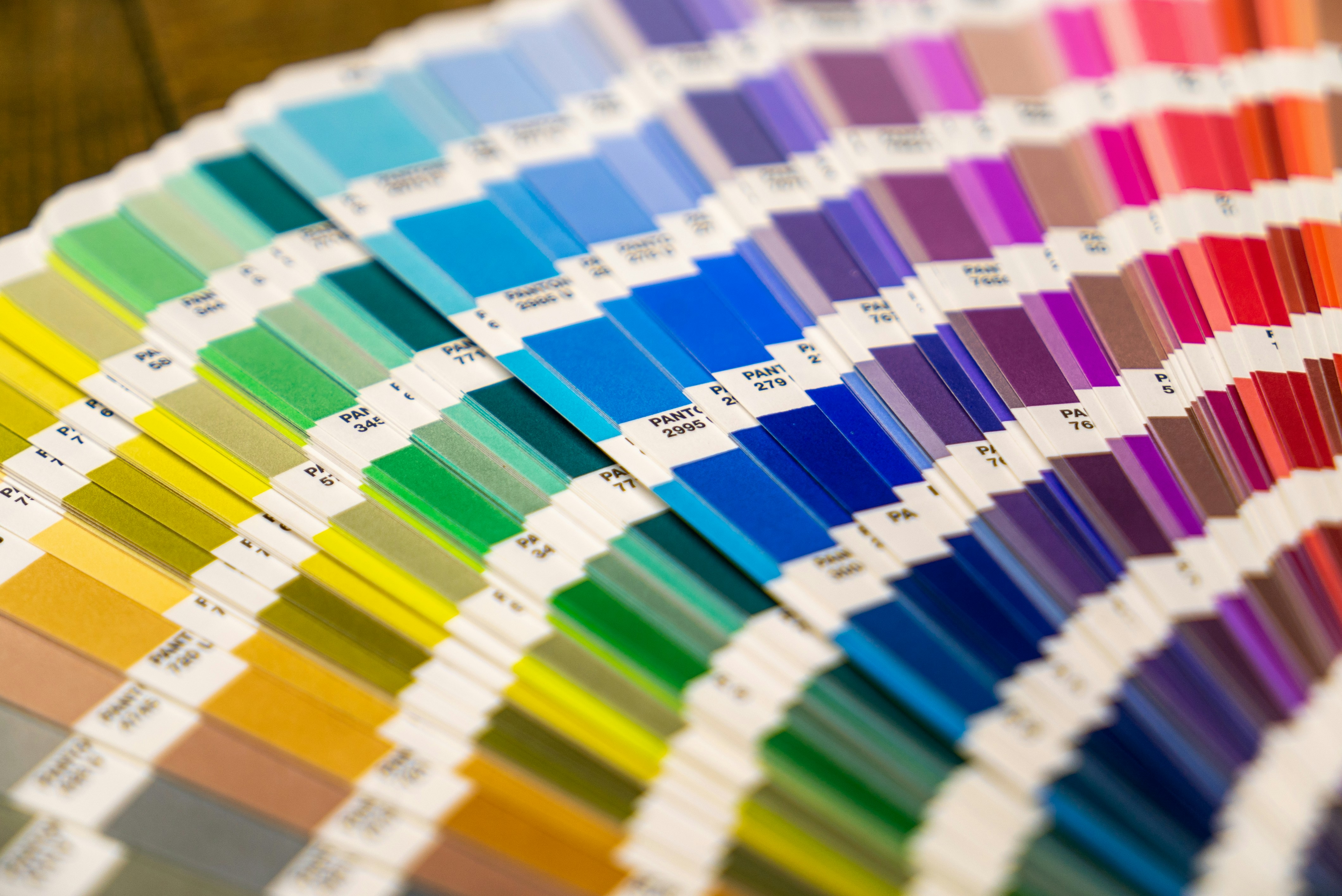
One day during class, I heard a female student say to a male classmate, "Why are you wearing a red mask? That's for girls."
Out of curiosity, I glanced over and asked her, "Then what color should boys wear?"
She said, "Blue."
At that moment, she didn't realize that she was wearing a blue sweater and a blue mask herself that day.
However, this made me start thinking "again": why does the confusion from my student days still exist twenty years later?
Should colors have genders? And who is telling children which colors belong to boys and which belong to girls?
The topic I would like to discuss with parents today is: "gendered" colors.
▌ The Historical and Social Significance of Pink and Gender
Around the mid-18th century, the European upper class favored light pink clothing as a symbol of luxury and aristocracy. However, at that time, pink was actually considered a more masculine color. Leatrice Eiseman, Executive Director of the Pantone Color Institute, stated: "This concept stemmed from the primary color red, which gives off an impression of being passionate, action-oriented, and relatively aggressive. Even when toned down to pink, it was still considered a color belonging to men in the past." (Cited from Chang Yung-ching, 2020)
After the mid-19th century, the Industrial Revolution brought an influx of cheap dyes, transforming pink from an aristocratic exclusive to a choice for the working class. Along with the increasing variety of dyes, many female sex workers wore magenta and other shades similar to pink, gradually initiating society's association between pink and women.
For infants and young children, most American children's clothing at the time was predominantly white, with matching colors chosen based on factors such as skin tone, season, or fashion. However, dyeing techniques were not yet mature, and dyes easily faded after washing, so white clothing remained widely loved and used by the general public.
▌ The Shifting Meaning of Colors
After World War I, merchants began to boost sales by leveraging the psychological feelings that product colors evoke in people. At that time, department stores in the United States also discovered that sales were better if baby products were differentiated by gender! Consequently, the popular color pink was designated for boys, while blue was for girls. It was not until the end of World War II, when First Lady Mamie Eisenhower showed a particular fondness for pink and frequently wore pink-themed clothing, that many people began to associate pink with the image of an elegant lady.
Later, the Dodge La Femme—a pink car exclusively for women—was introduced in 1955; the 1957 film "Funny Face" also featured numerous scenes with vibrant pink clothing; and in 1960, public figures like Marilyn Monroe began using pink as a symbol of luxury and refined taste (Chang Ting-ting, 2018). Under this context, pink gradually shifted from representing masculine qualities to feminine traits.
▌ Impact on Education
Having said all this, what does it have to do with learning?
It actually seems like a very small matter, but throughout my teaching career, I have often noticed that it is not just clothing—the color of textbooks, the color of whiteboard markers or chalk used by teachers, or even the graphic design and layout of supplementary handouts turn out to be key factors that make certain students reluctant to read or engage with the materials.
You might think: would male students really be averse just because of pink paper? (Elementary school students)
That is indeed the case, and it has been proven time and again in my classroom: if pink handouts or teaching aids are used during group activities, male students show lower willingness to participate, thereby missing out on learning opportunities.
▌ The Influence of the Media
Mass media is also an important vehicle that reinforces gender stereotypes. For instance, in the widely popular "Shima Shima Tora no Shimajirō" (The Cute Shimajirō Island), the two boys, Shimajirō and Toripi, primarily dress in green and blue, while the two girls, Ramurin and Mimirin, mainly wear pink and red. When children become accustomed to seeing every color and gender phenomenon in daily life without possessing media literacy, these experiences further reinforce the stereotypes of gendered colors.
▌ How Should Parents Guide Their Children?
Sigmund Freud and other psychologists noted in theories of childhood development that parents begin differentiating their children's biological sex from an early age (Broadway, 2013). Coupled with consumer marketing strategies that distinctly divide colors and link them to gender, as well as the ever-advancing dissemination through online media, children naturally develop gendered distinctions regarding colors.
This is very much like how many adults immediately think of political parties when they see blue or green. (We all feel like telling them: can you relax a bit? You can't possibly burn down the forests or drain the oceans, can you?)
Colors are neither right nor wrong, nor should colors have genders. If a child likes a color, let them like it. At the same time, we should teach children not to divide genders by color and to respect everyone's preferences. If they encounter teasing or unkind remarks, as long as parents help them understand the true nature of colors, I believe it will be much easier for them to brush off malicious words.